The UK government has approved Sea Link, an undersea power connection between Suffolk and Kent.
Developed by National Grid, the 2 GW link will be capable of carrying enough electricity to power the equivalent of 2 million homes, helping move more power from where it is generated to where it is needed. By easing pressure on the grid, it will help reduce the need to pay generators to switch off when the network cannot carry their electricity.
The project will help strengthen Britain’s energy security, making the electricity network more resilient and reducing wasted energy, helping to bring down costs for consumers.
The approval builds on the Prime Minister’s announcement of the Great British Grid, a publicly-owned body within Great British Energy that will bring together public and private investment to speed up network upgrades.
The government is also bringing forward reforms to let developers and businesses build their own grid connections where appropriate, reducing delays and costs and supporting growth.
Energy Minister, Michael Shanks, said: “Britain’s future rests on rebuilding the national grid so renewable energy and businesses can connect, driving economic growth, and reducing our exposure to volatile global fossil fuel markets which are driving up all our bills.
“By rewiring Britain, we get homegrown power to where it’s needed, we make sure the grid is resilient for the future, and we bring bills down for good.”
The decision comes after the approval of two major solar farms in Nottingham-shire and Cheshire, backing both the homegrown power Britain needs and the infrastructure to deliver it.
Great North Road Solar and Biodiversity Park, near Newark in Nottinghamshire, will have a generating capacity of 800 MW – enough to power the equivalent of around 400 000 homes a year, according to the developer.
The project will be the joint biggest solar farm in the country by generating capacity, alongside Springwell solar farm, which was approved earlier this year.
Almost 4000 sheep are expected to graze beneath and between the panels, potentially rising to 9000 during lambing – keeping the grass down while allowing farming to continue alongside electricity generation.
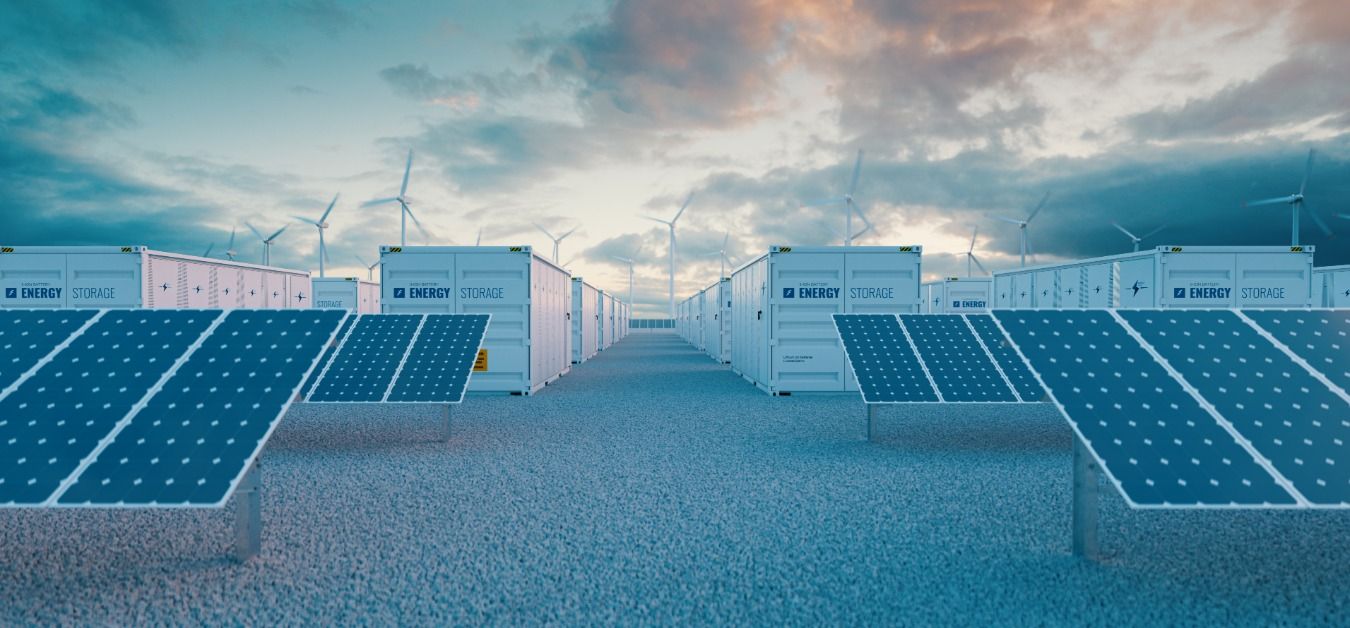
Frodsham Solar, north of Frodsham in Cheshire, will combine solar panels with battery storage, allowing some of the electricity generated to be stored for use when it is needed.
For more news and technical articles from the global renewable industry, read the latest issue of Energy Global magazine.
Energy Global’s Autumn 2026 issue
The Autumn issue of 2026 is available now! The new issue begins with a regional report on Asia Pacific, looking at the region’s transition from building capacity to building systems. The issue also explores topics such as offshore wind foundations, solar maintenance, training the new workforce, inspection & maintenance, and more! With insights from experts such as Everllence, BW Ideol, EM&I, Watson Farley & Williams, and many more, make sure to check out this issue now.