The European Commission has approved a €2.04 billion Belgian scheme to support offshore wind energy in line with the objectives of the Clean Industrial Deal. This measure will contribute to the transition towards a net-zero economy. The scheme was approved under the Clean Industrial Deal State Aid Framework (CISAF) adopted by the Commission on 25 June 2025.
Belgium notified to the Commission, under the CISAF, a scheme to support offshore wind energy to contribute to the objectives of the Clean Industrial Deal. The scheme replaces a former State aid measure approved by the Commission in 2024 under the Temporary Crisis and Transition Framework for State aid measures (TCTF) to support the economy following Russia's war with Ukraine. The aid for this TCTF scheme was not granted within the legal deadline of 31 December 2025. The scheme approved on 10 November 2026 will run for 20 years and has a maximum budget of €2.04 billion.
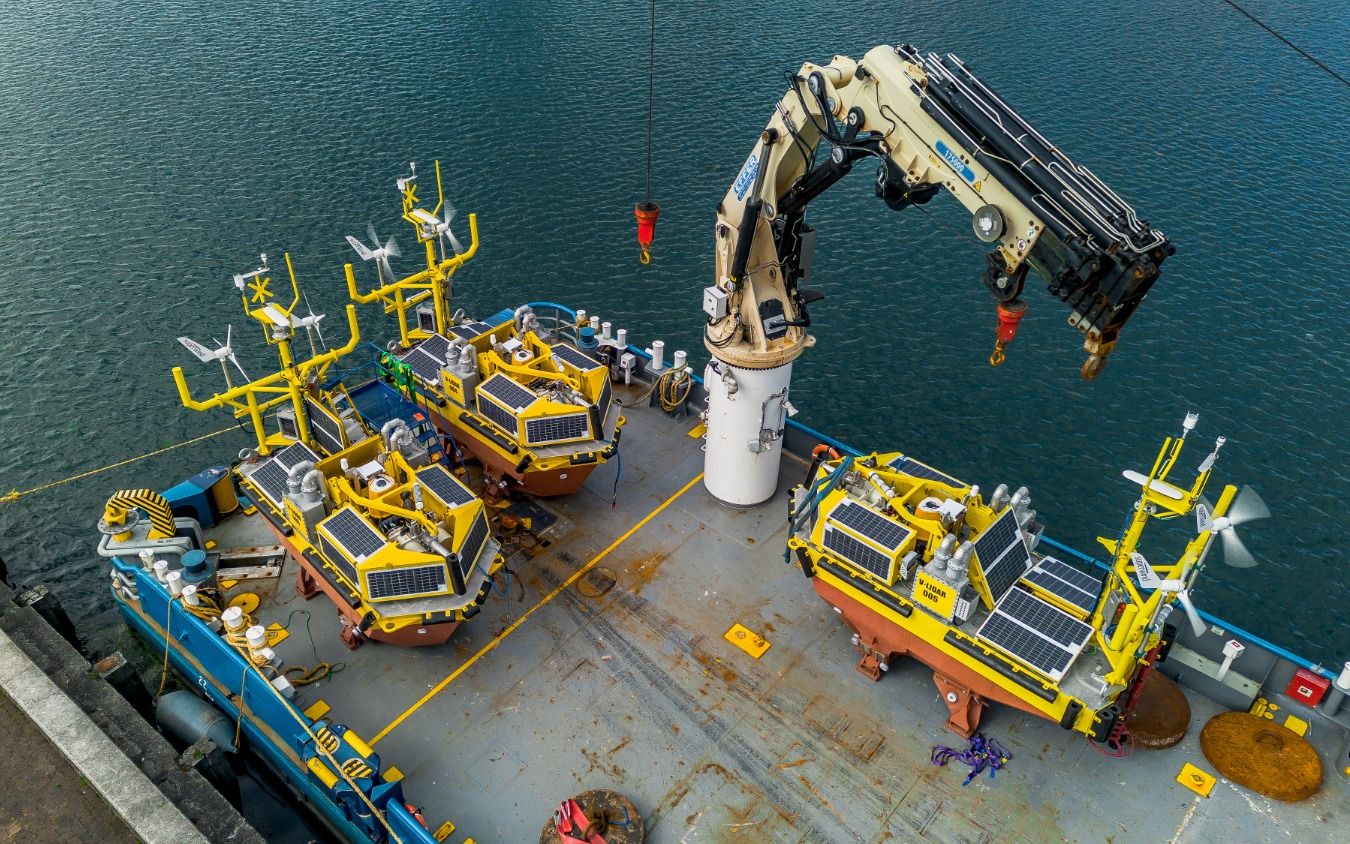
The measure will support the construction and operation of the first offshore wind farm in the Princess Elisabeth offshore Zone in the North Sea. The wind farm is expected to have a capacity of up to 735 MW and to generate up to 2.6 TWh of renewable electricity per year.
The aid will be granted through a transparent and non-discriminatory bidding process, with the result expected in 4Q27. The Net Zero Industry Act criteria will be included as tender prequalification criteria: there will be a requirement to diversify wind turbines and main specific components supply chains to reduce dependency on imports from outside Europe, in order to strengthen resilience.
The aid will take the form of a monthly variable premium under a two-way contract for difference (CfD). The compensation will be calculated by comparing the bid price to a reference market price, weighted by the monthly capability of the offshore wind farm. The beneficiaries will receive payments when the reference price is below this bid price. When the reference price is above the bid price, the beneficiaries will have to pay the Belgian authorities.
The Commission found that the Belgian scheme meets the conditions of the CISAF (sections 3 and 4.1.2). In particular, the aid will be provided as direct price support, through a capability-based two-way CfD, which will be awarded via a competitive bidding process. The compensation will be granted for the potential electricity production that the wind farm could have produced rather than for its actual production. This design ensures that the market functions properly and that the scheme does not compensate producers for production in any periods during which the market value of that production is negative, in line with the EU's electricity market design rules.
The Commission concluded that the Belgian scheme is necessary, appropriate and proportionate to accelerate the transition towards a net-zero economy and facilitate the development of certain economic activities that are important for the implementation of the Clean Industrial Deal. This is in line with Article 107(3)(c) of the Treaty on the Functioning of the EU and the conditions set out in the CISAF.
On this basis, the Commission approved the Belgian measure under EU State aid rules.
“The energy we produce at home is energy we don’t need to import. The Belgium €2.04 billion scheme for lot 1 of the Princess Elisabeth offshore zone will de-liver up to 2.6 TWh of clean electricity a year strengthening our energy independence while making progress towards a more competitive, decarbonised European economy,” said Teresa Ribera, Executive Vice-President for Clean, Just and Competitive Transition.
For more news and technical articles from the global renewable industry, read the latest issue of Energy Global magazine.
Energy Global’s Autumn 2026 issue
The Autumn issue of 2026 is available now! The new issue begins with a regional report on Asia Pacific, looking at the region’s transition from building capacity to building systems. The issue also explores topics such as offshore wind foundations, solar maintenance, training the new workforce, inspection & maintenance, and more! With insights from experts such as Everllence, BW Ideol, EM&I, Watson Farley & Williams, and many more, make sure to check out this issue now.